Prairieville Animal Hospital Animal Hospital: Nutritional Guidance for Pets
Food is a daily decision that adds up quickly in a pet’s health story. From the squeak of a treat jar to the contentment of a quiet belly after a meal, nutrition weaves into behavior, energy, and longevity. At Prairieville Animal Hospital, we see daily what a thoughtful diet can do for a dog with joint stiffness or a cat with skin issues. The goal here is practical guidance rooted in real-world practice, not abstract theory. You’ll find clear recommendations, rooted in a veterinary perspective, along with stories from clinics, kitchens, and living rooms where nutrition becomes part of everyday care.
A practical approach starts with a good map. Different life stages, body types, and medical conditions each tell a different dietary story. A puppy with growing bones, an adult dog easing into midlife, a senior cat with declining kidney function — all of these require nuanced nutrition. The same applies to pets with allergies, obesity, discover more or gastrointestinal sensitivities. The work we do in the exam room is rarely about a single magic ingredient; it’s about balancing energy intake, nutrient density, digestive tolerance, and taste. The goal is easy adoption at home, because even the best plan fails if it isn’t sustainable in the kitchen.
A key aspect of our clinic philosophy is listening. Nutrition is not a one-size-fits-all science, and we know families juggle work schedules, budget constraints, and pet preferences. Our approach points to practical steps, with room to adjust as life changes. We encourage owners to observe how meals influence what happens next — appetite, activity, coat shine, stool quality, and even mood.
The foundation begins with a simple truth: a sound diet is not just about the food you buy, but the way you feed it. The portions, timing, feeding environment, and how you handle treats all contribute. In many households, a routine forms around breakfast, mid-day snacks, and a lighter evening meal. Consistency matters. A pet’s digestive tract thrives on regularity, and predictable meals can reduce anxiety and improve stool quality, particularly for pets new to home life or those adjusting to a new schedule.
What nutrition looks like in real life varies widely. In our practice, we’ve learned to translate lab results, growth charts, and body condition scores into practical meal plans. A cat living with chronic kidney disease, for instance, won’t receive the same protein target as a thriving, healthy adult cat. A active, senior terrier with arthritis may need controlled calories and a specific blend of fatty acids to support joints. The most important trait of a good plan is its adaptability. We want owners to feel empowered to adjust portions, reassess treats, and re-evaluate goals as circumstances shift.
Foundations and practical considerations
One of the most common questions families bring to Prairieville Animal Hospital is how to read a pet food label. It can be a little confusing, with statements like “complete and balanced” sitting beside marketing claims about grain-free formulations or novel proteins. It helps to know a few basics. Pet foods are designed to meet standards established by the Association of American Feed Control Officials or its equivalents in other regions. Those standards ensure a baseline for protein, fat, fiber, minerals, and vitamins. But the label doesn’t tell the whole story. The real science is how those nutrients measure up for your individual pet, given age, activity level, body condition, and any medical concerns.
Times and routines also matter. Some households prefer to free-feed a dry diet, letting dogs graze through the day. Others opt for scheduled meals, which can help with weight management and digestion. For cats, especially indoor cats that tend to snack, a scheduled feeding pattern often reduces overeating and supports more predictable energy levels. If you have a cat who bowls over meals in a rush, consider using a slow feeder or breaking the daily amount into multiple smaller portions. It’s not about punishing a fast eater, but about giving the gut a chance to process food comfortably and reducing the risk of vomiting or regurgitation after big meals.
Dealing with real dietary constraints
Owners frequently juggle cost, availability, and the time needed to prepare meals at home. The reality is not everyone has the resources for a home-cooked regimen every day. In most cases, a balanced commercial diet remains the practical backbone. There are great, well-formulated options on the market for dogs and cats, with evidence-backed levels of protein, fat, and micronutrients. The job is to choose a product that aligns with your pet’s life stage and health status. Our team often helps translate a long grocery list of ingredients into a single, coherent feeding plan you can stick to.
One scenario that comes up often is a pet with food allergies or intolerances. A dog may have skin or ear issues driven by certain proteins, while a cat can have gastrointestinal responses to some fatty acids or filler ingredients. The path forward typically begins with an elimination trial under veterinary supervision. We guide you through a structured approach: remove suspected triggers for a period, then reintroduce one by one to identify the culprit. This process can feel tedious, but it often yields a lasting improvement in comfort and quality of life.
Nutritional science in the clinic
Nutrition science for pets hasn't stopped evolving, but there is a reliable core: energy balance and nutrient adequacy. We calculate a pet’s daily energy requirement from body weight, age, and activity. We balance calories against goals. A dog that’s maintaining a healthy weight may still benefit from adjustments when life changes. A growing puppy needs different proportions than a middle-aged dog. A senior cat with reduced activity requires a careful look at calorie density to maintain muscle mass and avoid weight gain.
We also keep an eye on specific nutrient targets that can influence health outcomes. Adequate protein supports lean body mass, repair, and immune function. For most adult dogs, a high-quality protein source with complete amino acid profiles is essential. Cats, as obligate carnivores, rely on readily available animal-based proteins for energy and a robust metabolic profile. Fatty acids play a pivotal role in skin and coat health, cognitive function, and anti-inflammatory processes that matter for arthritic joints. Fiber aids digestion and can help with weight management by promoting a sense of fullness. Micronutrients like calcium, phosphorus, taurine in cats, and certain trace minerals support bone health, heart function, and metabolic stability.
The human-animal partnership in nutrition is about small, repeatable decisions. It’s the routine that counts: consistent meals, measured portions, and a plan for treats that fits into daily energy budgets. Treats are a part of many households, and earned treats can support training, enrichment, and bonding. The trick is to ensure that the treat load remains a fraction of total daily calories and that you’re not shifting to a low-nutrient option for the sake of convenience. We often work with families to set a weekly treat budget and then designate a few days for enrichment snacks that still support dietary goals.
Two practical portraits from the clinic
In one case, a three-year-old Labrador retriever named Daisy came in with a coat that looked dull and a tendency to itch around the ears. Daisy’s family fed a popular, grain-inclusive kibble but had not adjusted portions after a recent increase in activity, inspired by daily daily walks and weekend hikes. The Labrador’s weight had crept up, and there was a visible difference in mobility when Daisy climbed stairs. We reviewed body condition scoring and estimated calories. We recommended a moderate portion reduction, swapping to a diet with higher quality protein and essential fatty acids, and adding a small daily amount of omega-3 fatty acids from a reputable fish oil brand. We also suggested a feeding schedule that included two measured meals and a supervised enrichment snack in the afternoon. Within six weeks, Daisy’s energy returned, skin improvements were noted, and the family reported easier grooming sessions and more alert behavior during daytime activities.
Another case involved a ten-year-old domestic shorthair named Milo, presenting with recurrent vomiting and soft stools. Milo had been on a familiar brand for years and tolerated it well, but he was now showing signs of reduced digestion. We initiated a conservative diagnostic workup to rule out intestinal inflammation or more serious GI issues. Meanwhile, we implemented a temporary dietary shift to a highly digestible, single-protein, low-residue diet with smaller, more frequent meals. The goal was to reduce stool volume and allow the gut to regain stability. We monitored Milo’s response over a month. The changes were modest but meaningful. Milo’s stools firmed up, appetite improved, and there was less vomiting after meals. We continued to work on a sustainable plan that balanced palatability with digestion, and the owner gradually reintroduced small amounts of a broader, vet-approved diet to maintain nutrition while preserving gut comfort.
A note on weight management
Overweight pets often fly under the radar because the signs are subtle until a health event occurs. In practice, we see a direct relationship between body condition and a pet’s life quality. Even modest weight loss can reduce stress on joints, improve cardiovascular parameters, and increase activity. A well-structured plan combines portion control, increased activity where feasible, and occasional caloric adjustments as the body responds. We also encourage owners to monitor changes with simple tools: a weekly weigh-in, a body condition score, and a log of exercise and meals. A consistent approach yields predictable results and fosters a sense of control for both pets and their people.
Practical steps you can take now
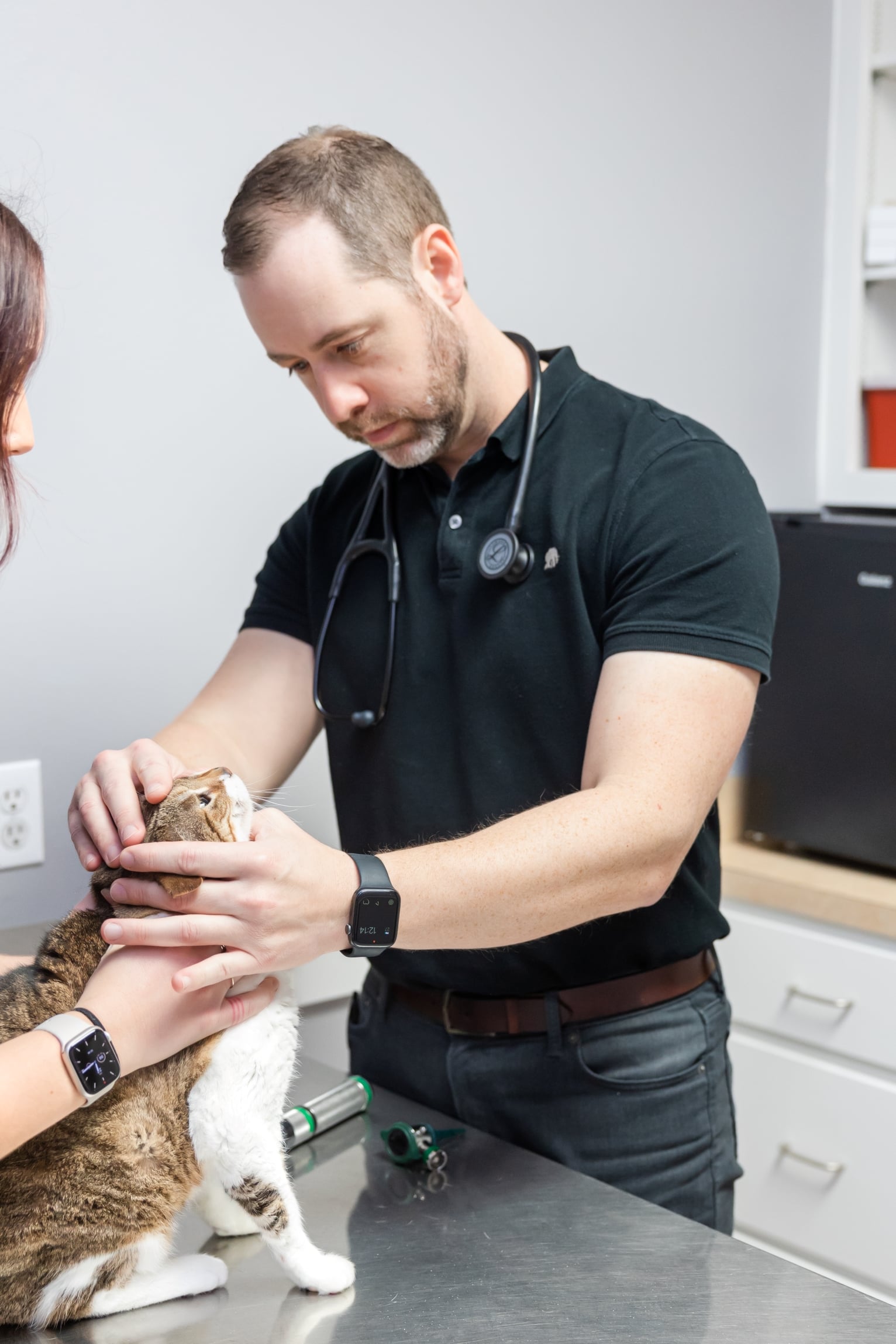
If you want to start refining your pet’s nutrition at home, here are some core steps that have proven effective for families who visit Prairieville Animal Hospital. They are straightforward and designed to fit busy lives without sacrificing health.
First, establish a baseline. Take measurements of weight, body condition, and a quick review of the pet’s current energy level. Note any recurring GI signs, such as vomiting after meals or loose stools. Write down what a typical day looks like for meals, snacks, and activity. This gives you a concrete starting point to discuss with your veterinarian.
Second, choose a feeding strategy and stick to it for a while. Decide whether you will provide two meals a day or three, and select a diet that aligns with your pet’s age and needs. Consistency matters more than chasing the newest trend. If you decide to switch foods, do it gradually over 7 to 10 days to minimize digestive upset.
Third, measure portions with real precision. Use a standard measuring cup or a kitchen scale. Pouring by sight leads to inconsistency; the weight of a cup of kibble can vary widely between brands. If you’re unsure, talk to your veterinarian about a target daily caloric intake and a plan to adjust based on weight changes.
Fourth, manage treats with care. If you use treats for training, consider them part of the daily diet and adjust the main meals accordingly. Opt for treats that deliver nutrition value and avoid those that are high in empty calories. For dogs and cats, even small changes in treat quality can accumulate over time.
Fifth, track progress and adjust. Set a monthly check-in to review weight, body condition, and energy level. Bring these notes to your vet appointment. If progress stalls, revisit underlying causes such as activity level, medical conditions, or environmental stressors that could be affecting appetite.
Two succinct but practical lists
-
Common nutritional considerations to discuss with your veterinarian 1) Life stage and activity level influence caloric needs 2) Protein quality and digestibility are central for satiety and muscle mass 3) Fatty acids support skin, coat, and inflammation management 4) Fiber content affects gut health and satiety 5) Special medical needs such as kidney disease, diabetes, or allergies require targeted plans
-
Steps for safely implementing a new diet 1) Confirm the new diet aligns with life stage and medical history 2) Plan a gradual transition over 7 to 10 days 3) Measure portions with a scale or standardized cup 4) Monitor stool, energy, and appetite during the transition 5) Reassess weight and body condition after four to six weeks
Common pitfalls and how to avoid them
The most common missteps we see in practice revolve around abrupt changes, overly generous treat policies, and underestimating a pet’s preference for familiar flavors. Dogs and cats often resist abrupt switches, even when the new diet is scientifically superior. A slow transition reduces stress and helps the gut adapt. Another pitfall is not adjusting portion sizes after a dietary change. A more nutritionally dense diet can lead to weight gain if portions aren’t recalibrated for the higher energy density. Finally, many households rely on treats for convenience and forget to account for them in daily calories. Treats matter, but they should fit within a balanced plan rather than be an afterthought.
The clinician’s eye on long-term outcomes
Nutrition intersects with nearly every aspect of health. A well-managed diet supports not only body weight but also mobility, immune function, skin and coat quality, and cognitive vigor. We watch for subtle signs — a cat that finishes meals with a renewed sense of curiosity or a dog that drops into a comfortable, relaxed posture after a meal. When nutrition aligns with a pet’s medical needs, the difference isn’t always dramatic, but it is consistently meaningful in daily life. It can translate into fewer trips to the clinic for GI distress, more energy for daily play, and a heartier appetite during routine checkups.

What if a medical condition makes meals tricky
There are times when a veterinary-recommended diet becomes essential for disease management. In kidney disease, for instance, a diet with controlled phosphorus and moderate protein can slow disease progression and lessen symptoms. For diabetic pets, precise caloric intake and consistent feeding times help stabilize blood sugar. Allergies and intolerances may require a rotational feeding plan or a process of elimination followed by careful reintroduction. Each scenario carries its own set of constraints and trade-offs. Our job is to illuminate the path, with a plan that preserves palatability and minimizes disruption to the household.
Collaboration with Prairieville Animal Hospital
We approach nutrition as an ongoing conversation with families. The initial visit is the start, not the finish line. We review a pet’s weight trajectory, lab results when available, and feedback from the owner about appetite and activity. We translate those signals into an actionable plan that can be implemented in the home without constant veterinary oversight. Then we schedule follow-ups that are concrete and productive, focusing on measurable markers like body weight, body condition score, and any changes in stool quality or coat health.
In practice, this collaboration looks like a steady rhythm. A client comes in with a cat whose owner notes a slight uptick in weight and a skin condition that flares seasonally. We discuss how to adjust portions, consider a diet with a bit more omega-3 fatty acids, and plan a two-month check-in to reassess. The owner leaves with a practical shopping list, a calendar reminder for meals and weigh-ins, and a sense that nutrition is something they can actively manage.
Practical takeaways for the road ahead
If you’re reading this and thinking about your own pet, start with a clear and simple framework. Name the life stage, the current health status, and the day-to-day feeding routine. Then consider the energy balance: are calories aligned with activity? Are there any signs of over or underfeeding? What role do treats play in the daily plan, and can they be adjusted without sacrificing the bond you share with your pet? Small, consistent steps accumulate into real health gains over months.
For families just starting out with nutrition planning, a few concrete adjustments can yield visible differences within weeks. Measure meals with a scale. Schedule twice-daily feedings for adults, at least once daily for cats prone to overeating in a single sitting. Introduce an enrichment snack that doubles as a training reward rather than a spontaneous reward from the cabinet. And keep a simple log for a month: food amounts, body weight, and notable changes in energy or appetite. If a problem arises, bring the notes to an appointment. The path to healthier eating for a pet is a collaborative effort, and a veterinarian from Prairieville Animal Hospital is an ally, not a gatekeeper.
A broader perspective on life with a nutritionally sound plan
Nutrition is a lens that reframes what happens at the end of a day with a pet. It shapes the joints in winter walks and the stamina for summer hikes. It affects the way a dog curls up after a long day and how a cat greets you at the door after work. The beauty of a well-considered diet is not in dramatic overnight changes, but in the steady improvement of daily life. You’re not just buying food; you’re investing in comfort, resilience, and a brighter, more energetic future for your companion.
If you’re curious about a plan tailored to your pet, Prairieville Animal Hospital stands ready to listen and guide. We bring clinical experience, practical know-how, and a patient-centered approach to every conversation. Our goal is simple: give you the tools to feed with confidence. We want you to feel supported in your choices, with a clear path forward and a plan you can live with day after day. The results, over time, tend to be tangible in how your pet moves, how they feel, and how they interact with the world around them.
Final reflections
Nutrition is not a one-off decision, but a continuous practice. The right plan honors the animal’s biology, respects the household realities, and stays adaptable as life changes. The care you give at mealtimes resonates beyond the bowl. It influences mood, mobility, and overall wellness. Our team at Prairieville Animal Hospital is here to help you shape a diet that fits your pet’s needs and your family’s rhythm. With steady measurement, thoughtful adjustments, and an eye toward real-world outcomes, you can grow a healthier relationship with your companion through every meal.